What Is Health Insurance ?

 A type of insurance coverage that pays for medical and surgical expenses that are incurred by the insured. Health insurance can either reimburse the insured for expenses incurred from illness or injury or pay the care provider directly. Health insurance is often included in employer benefit packages as a means of enticing quality employees.
The cost of health insurance premiums is deductible to the payer, and benefits received are tax-free. Health insurance has many cousins, such as disability insurance, critical (catastophic) illness insurance and long-term care (LTC) insurance.
Read more: http://www.investopedia.com/terms/h/healthinsurance.asp#ixzz2GmhVv7BO
A recent Harvard study noted that statistically, "your family is just one serious illness away from bankruptcy." They also concluded that, "62% of all personal bankruptcies in the U.S. in 2007 were caused by health problems and 78% of those filers had medical insurance at the start of their illness."

Those numbers alone should urge you to obtain health insurance, or increase your current coverage. The key to finding adequate coverage is shopping around. While the best option and the least expensive is participating in your employer's insurance program, many smaller businesses do not offer this benefit.
Finding affordable health insurance is difficult, particularly without an employer-sponsored program or if you have a pre-existing condition. According to the Kaiser/HRET survey, the average premium cost to the employee in an employer sponsored health care program was around $4,100. With rising co-payments, yearly deductibles and dropped coverage's, health insurance has become a luxury less and less can afford, yet even a minimal policy is better than having no coverage. The cost for a day in the hospital can range from $985 to $2,696. Even if you have minimal coverage, it can provide some monetary benefit for your hospital stay.

As the health care debate continues in Washington, approximately 48 million Americans are without insurance coverage. Check with your employer regarding health care benefits, inquire of any occupational organizations that you belong to regarding possible group health coverage. If you are over age 50, AARP has some health insurance offers available. (To learn more, check out Buying Private Health Insurance.)
Long-Term Disability Coverage
This is the one insurance most us think we will never need, as none of us assumes we will become disabled. Yet, statistics from the Social Security Administration show that three in 10 workers entering the workforce will become disabled, and will be unable to work before they reach the age of retirement. Of the population, 12% are currently disabled in some form, and nearly 50% of those workers are in their working years.
Even those workers that have great health insurance, a nice nest egg and a good life insurance policy never prepare for the day when they might not be able to work for weeks, months or may not ever be able to return to the job. While health insurance pays for your hospitalization and medical bills, where is money coming from to pay those daily expenses that your paycheck covers? Here are a few very sobering statistics regarding disability:

Disability Causes Nearly 50% of all Mortgage Foreclosures, 2% are Caused by Death.
Close to 90% of Disabling Accidents and Illnesses Are not Work Related.
In the Last 10 Minutes, 498 Americans Became Disabled.
If you are injured and off work for even three months, would you have enough in savings to cover your living expenses? Consider what you might face financially if you suffer a major medical condition such as cancer and were unable to work for over a year.
Many employers offer both short-term and long-term disability coverage as part of their benefits package. This would be the best option for securing affordable disability coverage. If they don't, seek out a private insurer. If you aren't sure how much coverage you need, AARP offers a very good disability insurance calculator to help you.
A policy that guarantees income replacement is the optimal policy; more usual terms are replacement of 50 to 60% of your income. The cost of disability insurance is based on many factors including age, lifestyle and health. For group or employer coverage, the average rate in 2009 was about $238 per year or approximately $5 per week. A small price to pay if you are faced with a devastating illness or injury. Disability insurance will guarantee that you will have some income when you can't work.

Read more: http://www.investopedia.com/financial-edge/0212/4-types-of-insurance-everyone-needs.aspx#ixzz2GmhnNAjK

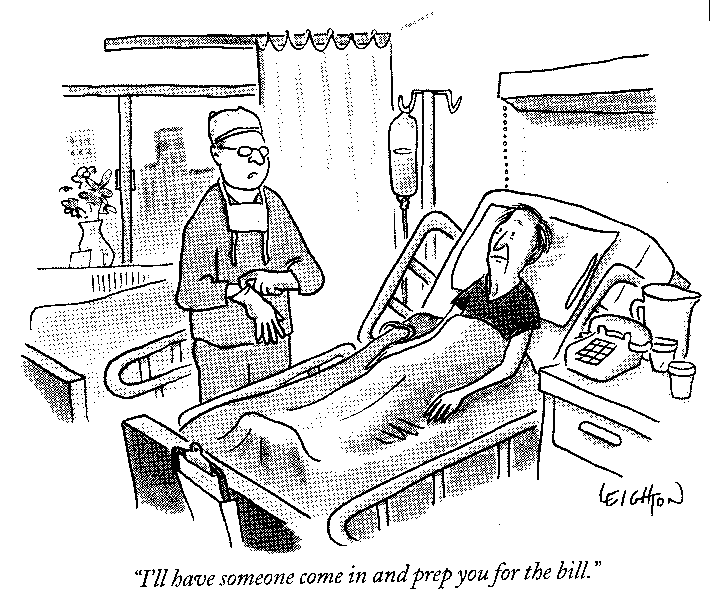
The cost of health insurance premiums is deductible to the payer, and benefits received are tax-free. Health insurance has many cousins, such as disability insurance, critical (catastophic) illness insurance and long-term care (LTC) insurance.
Read more: http://www.investopedia.com/terms/h/healthinsurance.asp#ixzz2GmhVv7BO
A recent Harvard study noted that statistically, "your family is just one serious illness away from bankruptcy." They also concluded that, "62% of all personal bankruptcies in the U.S. in 2007 were caused by health problems and 78% of those filers had medical insurance at the start of their illness."

Those numbers alone should urge you to obtain health insurance, or increase your current coverage. The key to finding adequate coverage is shopping around. While the best option and the least expensive is participating in your employer's insurance program, many smaller businesses do not offer this benefit.
Finding affordable health insurance is difficult, particularly without an employer-sponsored program or if you have a pre-existing condition. According to the Kaiser/HRET survey, the average premium cost to the employee in an employer sponsored health care program was around $4,100. With rising co-payments, yearly deductibles and dropped coverage's, health insurance has become a luxury less and less can afford, yet even a minimal policy is better than having no coverage. The cost for a day in the hospital can range from $985 to $2,696. Even if you have minimal coverage, it can provide some monetary benefit for your hospital stay.
As the health care debate continues in Washington, approximately 48 million Americans are without insurance coverage. Check with your employer regarding health care benefits, inquire of any occupational organizations that you belong to regarding possible group health coverage. If you are over age 50, AARP has some health insurance offers available. (To learn more, check out Buying Private Health Insurance.)
Long-Term Disability Coverage
This is the one insurance most us think we will never need, as none of us assumes we will become disabled. Yet, statistics from the Social Security Administration show that three in 10 workers entering the workforce will become disabled, and will be unable to work before they reach the age of retirement. Of the population, 12% are currently disabled in some form, and nearly 50% of those workers are in their working years.
Even those workers that have great health insurance, a nice nest egg and a good life insurance policy never prepare for the day when they might not be able to work for weeks, months or may not ever be able to return to the job. While health insurance pays for your hospitalization and medical bills, where is money coming from to pay those daily expenses that your paycheck covers? Here are a few very sobering statistics regarding disability:

Disability Causes Nearly 50% of all Mortgage Foreclosures, 2% are Caused by Death.
Close to 90% of Disabling Accidents and Illnesses Are not Work Related.
In the Last 10 Minutes, 498 Americans Became Disabled.
If you are injured and off work for even three months, would you have enough in savings to cover your living expenses? Consider what you might face financially if you suffer a major medical condition such as cancer and were unable to work for over a year.
Many employers offer both short-term and long-term disability coverage as part of their benefits package. This would be the best option for securing affordable disability coverage. If they don't, seek out a private insurer. If you aren't sure how much coverage you need, AARP offers a very good disability insurance calculator to help you.
A policy that guarantees income replacement is the optimal policy; more usual terms are replacement of 50 to 60% of your income. The cost of disability insurance is based on many factors including age, lifestyle and health. For group or employer coverage, the average rate in 2009 was about $238 per year or approximately $5 per week. A small price to pay if you are faced with a devastating illness or injury. Disability insurance will guarantee that you will have some income when you can't work.

Read more: http://www.investopedia.com/financial-edge/0212/4-types-of-insurance-everyone-needs.aspx#ixzz2GmhnNAjK


