There were over 10-million traffic accidents in the U.S. in 2009 (latest available data) and 33,808 people died in motor vehicle crashes in those accidents, according to data released by the Fatality Analysis Reporting System (FARS). The number one cause of death for American's between the ages of 5 and 34 were auto accidents. Over 2.3 million drivers and passengers received treatment in emergency rooms in 2009, and the costs of those accidents including deaths and disabling injuries was around $70 billion.
While all states do not require drivers to have auto insurance, most do have requirements regarding financial responsibility in the event of an accident. Many states do periodic random checks of drivers for proof of insurance. If you do not have coverage, the fines can vary by state and can range from the suspension of your license, to points on your driving record, to fines from $500 to $1,000. If you drive without auto insurance and have an accident, the fines will probably be the least of your financial burden. Your car, like your home is a valuable asset you use every day. If your car is damaged in an accident and you have no auto insurance, you will have no way to replace that vehicle unless you have a large savings account, and you don't really want to tap into that savings when auto insurance could cover the cost.
If you, a passenger or the other driver is injured in the accident, your auto insurance will pay those expenses, and help guard you against any litigation that might result from the accident. Auto insurance also protects your vehicle against theft, vandalism or a natural disaster such as a tornado or other weather related incidents.
Again, as with all insurances, your individual circumstances will determine the price of your auto insurance. The best advice is to seek out several rate quotes, read the coverage provided carefully and check periodically to see if you qualify for lower rates based on age, driving record or the area where you live. Read more: http://www.investopedia.com/financial-edge/0212/4-types-of-insurance-everyone-needs.aspx#ixzz2Gmj8Qhpv
A type of insurance coverage that pays for medical and surgical expenses that are incurred by the insured. Health insurance can either reimburse the insured for expenses incurred from illness or injury or pay the care provider directly. Health insurance is often included in employer benefit packages as a means of enticing quality employees. The cost of health insurance premiums is deductible to the payer, and benefits received are tax-free. Health insurance has many cousins, such as disability insurance, critical (catastophic) illness insurance and long-term care (LTC) insurance.
A recent Harvard study noted that statistically, "your family is just one serious illness away from bankruptcy." They also concluded that, "62% of all personal bankruptcies in the U.S. in 2007 were caused by health problems and 78% of those filers had medical insurance at the start of their illness."
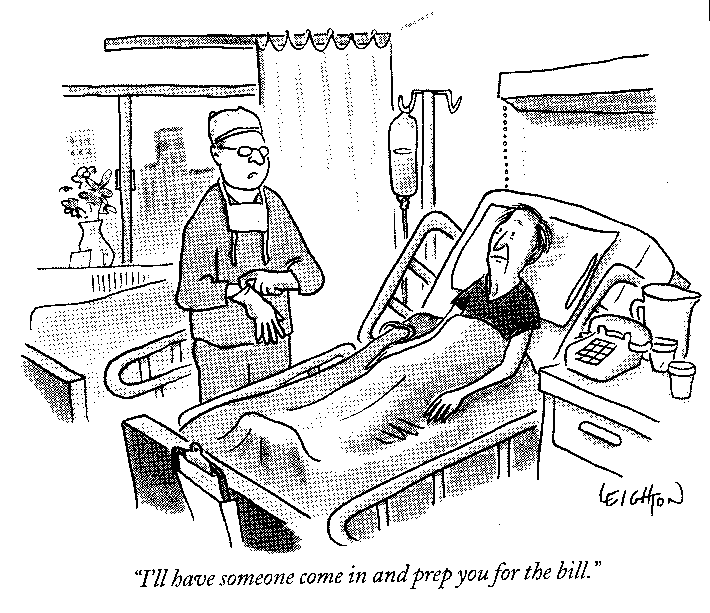
Those numbers alone should urge you to obtain health insurance, or increase your current coverage. The key to finding adequate coverage is shopping around. While the best option and the least expensive is participating in your employer's insurance program, many smaller businesses do not offer this benefit. Finding affordable health insurance is difficult, particularly without an employer-sponsored program or if you have a pre-existing condition. According to the Kaiser/HRET survey, the average premium cost to the employee in an employer sponsored health care program was around $4,100. With rising co-payments, yearly deductibles and dropped coverage's, health insurance has become a luxury less and less can afford, yet even a minimal policy is better than having no coverage. The cost for a day in the hospital can range from $985 to $2,696. Even if you have minimal coverage, it can provide some monetary benefit for your hospital stay.
As the health care debate continues in Washington, approximately 48 million Americans are without insurance coverage. Check with your employer regarding health care benefits, inquire of any occupational organizations that you belong to regarding possible group health coverage. If you are over age 50, AARP has some health insurance offers available. (To learn more, check out Buying Private Health Insurance.) Long-Term Disability Coverage This is the one insurance most us think we will never need, as none of us assumes we will become disabled. Yet, statistics from the Social Security Administration show that three in 10 workers entering the workforce will become disabled, and will be unable to work before they reach the age of retirement. Of the population, 12% are currently disabled in some form, and nearly 50% of those workers are in their working years. Even those workers that have great health insurance, a nice nest egg and a good life insurance policy never prepare for the day when they might not be able to work for weeks, months or may not ever be able to return to the job. While health insurance pays for your hospitalization and medical bills, where is money coming from to pay those daily expenses that your paycheck covers? Here are a few very sobering statistics regarding disability:
Disability Causes Nearly 50% of all Mortgage Foreclosures, 2% are Caused by Death. Close to 90% of Disabling Accidents and Illnesses Are not Work Related. In the Last 10 Minutes, 498 Americans Became Disabled. If you are injured and off work for even three months, would you have enough in savings to cover your living expenses? Consider what you might face financially if you suffer a major medical condition such as cancer and were unable to work for over a year. Many employers offer both short-term and long-term disability coverage as part of their benefits package. This would be the best option for securing affordable disability coverage. If they don't, seek out a private insurer. If you aren't sure how much coverage you need, AARP offers a very good disability insurance calculator to help you. A policy that guarantees income replacement is the optimal policy; more usual terms are replacement of 50 to 60% of your income. The cost of disability insurance is based on many factors including age, lifestyle and health. For group or employer coverage, the average rate in 2009 was about $238 per year or approximately $5 per week. A small price to pay if you are faced with a devastating illness or injury. Disability insurance will guarantee that you will have some income when you can't work.
What is Life Insurance ? Thats every one ask from me!!! A protection against the loss of income that would result if the insured passed away. The named beneficiary receives the proceeds and is thereby safeguarded from the financial impact of the death of the insured. The goal of life insurance is to provide a measure of financial security for your family after you die. So, before purchasing a life insurance policy, you should consider your financial situation and the standard of living you want to maintain for your dependents or survivors. For example, who will be responsible for your funeral costs and final medical bills? Would your family have to relocate? Will there be adequate funds for future or ongoing expenses such as daycare, mortgage payments and college? It is prudent to re-evaluate your life insurance policies annually or when you experience a major life event like marriage, divorce, the birth or adoption of a child, or purchase of a major item such as a house or business.
Remember “claims made” policies? Crime insurance has a similar discovery form. A loss sustained form accompanies this. Why two forms? Because employee-related crimes are silent crimes. Silent crimes are ones that may take place over a long period of time. They’re often difficult to discover. The discovery form covers you for undiscovered employee crimes, even if they occurred before the policy began. The ISO program allows crime coverage to be a separate crime policy. Or it can be a coverage part to join your other property coverage. Seven types of crime coverage are offered. You may take one, several, or all seven. The seven are:
1. Employee Theft 2. Forgery or Alteration 3. Inside the Premises - Theft of Money & Securities 4. Inside the Premises - Robbery or Safe Burglary of Other Property 5. Outside the Premises 6. Computer Fraud 7. Money Orders and Counterfeit Paper Currency Employee Theft covers loss or damage to money, securities and other property. You’re covered whether an employee acted alone or with others. Forgery or Alteration covers checks, drafts, promissory notes and similar items regarding the payment of a sum of money. The insurer pays your defense costs in addition to the dollar limits of your coverage. Inside the Premises - Theft of Money & Securities covers theft, disappearance and destruction. Damage to the premises caused by an actual or attempted theft is covered. So is loss or damage to a locked safe, vault, cash register, cash box or cash drawer. Vandalism, if not related to a theft attempt, is excluded.
 There were over 10-million traffic accidents in the U.S. in 2009 (latest available data) and 33,808 people died in motor vehicle crashes in those accidents, according to data released by the Fatality Analysis Reporting System (FARS). The number one cause of death for American's between the ages of 5 and 34 were auto accidents. Over 2.3 million drivers and passengers received treatment in emergency rooms in 2009, and the costs of those accidents including deaths and disabling injuries was around $70 billion.